Bringing home a new puppy is an exciting and rewarding experience. However, it also comes with its fair share of responsibilities. Proper care is essential to ensure your puppy grows up healthy and happy. This guide will walk you through the basics of puppy care, from feeding and training to vet visits and vaccinations.
1. Setting the Stage for Your Puppy’s New Home
Puppy-Proofing Your Home
Before your puppy arrives, it’s essential to make your home a safe environment for your new furry friend. Puppy-proofing your house helps prevent accidents and injuries. Here are some steps to take:
-
Remove Hazardous Materials: Ensure all cleaning supplies, chemicals, and medications are out of reach. Puppies are naturally curious and might chew on or ingest harmful substances.
-
Secure Small Objects: Pick up small items such as coins, jewelry, rubber bands, and other small objects that could be swallowed or cause choking.
-
Protect Cords and Wires: Secure electrical cords and wires to prevent your puppy from chewing on them, which can lead to electrical shocks or other injuries.
-
Safe Spaces: Block off unsafe areas or contain valuables you don’t want your puppy to access. If necessary, use baby gates to restrict access to certain rooms.
Supplies You Need
To ensure your puppy feels comfortable and is well taken care of, gather the following essential supplies:
-
High-Quality Puppy Food: Choose a well-balanced, high-quality puppy food that meets the nutritional needs of growing puppies. Consult your veterinarian for recommendations based on your puppy’s breed and age.
-
Food and Water Bowls: Opt for stainless steel or ceramic bowls, which are easy to clean and do not harbor bacteria. Ensure the bowls are the appropriate size for your puppy.
-
Collar and Leash: Select a comfortable, adjustable collar that fits your puppy properly. Attach an ID tag with your contact information. A sturdy leash is also essential for walks and training.
-
Chew Toys: Puppies love to chew, and providing them with appropriate chew toys helps satisfy this instinct and prevents them from chewing on furniture or other household items. Choose toys that are safe and durable.
-
Bedding: Provide a comfortable bed or crate mat for your puppy. Make sure it is appropriately sized and made from easy-to-clean materials.
-
Crate: A crate can serve as a safe space for your puppy and assist with house training. Choose a crate that is the right size for your puppy, allowing them to stand, turn around, and lie down comfortably.
2. Feeding Your Puppy
A balanced diet is vital for your puppy’s growth and development. Consult your vet about the best food options for your puppy’s breed, age, and health conditions.
Feeding Schedule
-
6-12 weeks: Four meals a day
-
3-6 months: Three meals a day
-
6-12 months: Two meals a day
-
After 12 months: Usually, one meal a day is sufficient, but some dogs might prefer two smaller meals
3. Training Your Puppy
Starting training as soon as you bring your puppy home is crucial for developing good habits and building a solid bond. Patience and consistency are critical components of practical training. Here are some foundational aspects to focus on:
House Training
House or potty training is one of the first and most crucial training steps. It requires patience and a consistent routine to be effective.
-
Crate Training: Crate training is a highly effective method for house training. A crate can serve as a safe and comfortable space for your puppy and helps prevent accidents in the house. Dogs naturally avoid soiling their sleeping area, so using a crate can encourage them to hold their bladder until they are let outside.
-
Regular Outdoor Trips: Take your puppy outside frequently, especially after eating, drinking, playing, or waking up from a nap. Consistency helps your puppy learn where it is appropriate to relieve themselves.
-
Positive Reinforcement: Reward your puppy immediately after they do their business outside. Use treats, praise, or playtime to reinforce this positive behavior. Positive reinforcement helps your puppy associate going outside with positive outcomes.
-
Establish a Routine: Maintain a consistent feeding and potty schedule. Regular meal times lead to predictable potty times, making it easier to anticipate when your puppy needs to go outside.
-
Supervision and Confinement: Supervise your puppy closely when it is indoors. If you cannot supervise, confine it to a small area or crate to prevent accidents. Gradually increase its freedom as it becomes more reliable.
4. Socialization
Expose your puppy to different environments, people, and other animals. Proper socialization ensures your puppy grows into a well-adjusted adult dog.
Puppy Classes
Puppy classes are an excellent way to socialize your puppy while teaching them basic commands and manners.
5. Regular Veterinary Care
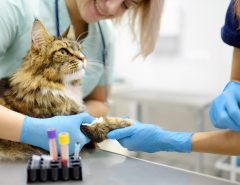
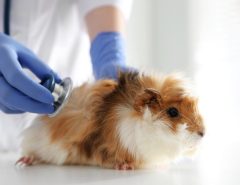
Regular vet visits are essential to monitor your pet’s health. If you also have a kitten or plan to get one, search for clinics that handle puppies and kittens. Finding a puppy and kitten vet in Austin, TX, can be a great start if you are in the area. Regular check-ups, vaccinations, and preventive care are crucial for puppies and kittens.
6. Pet Vaccinations
Vaccinations are crucial for protecting your puppy from various diseases. It’s essential to keep up with your puppy’s vaccination schedule.
-
Rabies
-
Distemper
-
Parvovirus
-
Adenovirus (Hepatitis)
Your vet will guide you on the proper vaccination schedule for your puppy. Keeping track of puppy shots ensures your pet stays healthy and protected.
7. Exercise and Play
Exercise is vital for your puppy’s physical and mental well-being. Playtime strengthens your bond with your puppy.
Types of Exercise
-
Walking: Aim for at least one walk a day
-
Playtime: Use toys and games to engage your puppy
-
Puzzle Toys: These can keep your puppy mentally stimulated
8. Grooming Your Puppy
Regular grooming is essential for your puppy’s health and hygiene. Grooming needs vary depending on your puppy’s breed.
Basic Grooming Tasks
-
Brushing: Keeps the coat clean and reduces shedding
-
Bathing: Regular baths keep your puppy clean
-
Nail trimming: Prevents overgrown nails
-
Ear cleaning: Keeps ears free of wax and debris
9. Veterinary Surgery
If your puppy needs surgery, find a reputable vet surgeon in Austin, TX. Whether it’s a routine procedure like spaying or neutering or something more complex, a good vet ensures your puppy gets the best care possible.
-
Spaying and Neutering: These are standard surgical procedures that prevent unwanted pregnancies and can reduce the risk of specific health issues and behavioral problems. Ensure your vet surgeon has extensive experience performing these routine surgeries.
-
Complex Surgeries: For more complex procedures, such as orthopedic surgeries, tumor removals, or corrective surgeries for congenital issues, it’s essential to choose a vet surgeon with specialized expertise and experience. Ask about their success rates and any additional training they have undergone.
Final Thoughts
Caring for a puppy is a rewarding experience that comes with challenges. Preparing your home and providing proper nutrition, training, socialization, regular vet visits, and vaccinations will set the stage for your new furry friend’s happy and healthy life. Remember, your puppy relies on you for its well-being, and the care you provide will shape its future health and happiness.