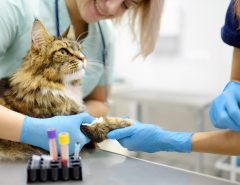
When our furry friends fall ill or require a checkup, understanding the types of diagnostic tests vets perform is essential. Vets use a variety of tests to assess the health of pets, diagnose ailments accurately, and determine the best treatment plans. Knowing what to expect can ease concerns and help pet owners prepare for a visit to the vet.
Physical Examination
The foundation of any veterinary visit is the physical exam. Vets rely on their expertise to assess the pet’s overall health by examining their body from head to tail. They check for abnormalities such as lumps, skin infections, or signs of discomfort. The vet will also listen to the pet’s heart and lungs and look at their eyes, ears, and teeth for any issues that might not be apparent to the owner. Regular physical exams are crucial for maintaining an animal’s health and catching any problems early.
Blood Tests
Blood tests are vital tools in veterinary medicine as they provide data on the functioning of organs, blood cell count, and more. Here are common types of blood tests:
-
Complete Blood Count (CBC) – This test measures the number of red blood cells, white blood cells, and platelets in your pet’s blood.
-
Biochemistry Profile – It assesses various enzymes and provides data on the health of the organs.
-
Thyroid Function Tests – Used to diagnose thyroid problems, especially in older cats and dogs.
These tests help detect infections, anemia, dehydration, and other health issues.
Urine Analysis
The analysis of a pet’s urine is another common test performed by vets. It assists in detecting conditions such as urinary tract infections, diabetes, and kidney problems. A urine test can also help vets monitor the efficacy of certain treatments over time, giving them an insight into how well a pet is responding to medications or dietary changes.
Fecal Exams
Fecal exams are crucial, especially for animals that spend time outdoors or around other animals. These tests detect the presence of intestinal parasites, such as roundworms, hookworms, and giardia. Early detection and treatment can prevent more severe health issues and can also reduce the risk of transmission to humans and other pets.
Imaging Tests
Imaging tests allow vets to look inside a pet’s body without invasive surgery. Different types of imaging tests include:
-
X-rays – These can highlight issues with bones, detect tumors, and help diagnose heart or lung diseases.
-
Ultrasound – A non-invasive method that uses sound waves to create images of the internal organs.
-
CT scans and MRIs – While less common due to their higher cost and availability, these advanced imaging techniques provide detailed images of a pet’s body that are invaluable in certain diagnostic situations.
These tools help vets make accurate diagnoses and develop appropriate treatment plans.
Endoscopy
Endoscopy involves the use of a flexible camera to examine the inside of certain body areas, such as the gastrointestinal tract. This procedure is less invasive than surgery and can aid in diagnosing and sometimes treating conditions like foreign object ingestion, chronic vomiting, or stomach ulcers.
Specialized Diagnostic Tools
Sometimes, specialized tools are needed to pinpoint specific conditions. This could include:
-
Electrocardiography (ECG) for heart rhythm analysis.
-
Tonometry to measure the pressure within the eyes, screening for glaucoma.
-
Allegiance tests to identify allergies that might be affecting your pet’s well-being.
The choice of tool depends on the symptoms presented and the vet’s initial findings.
Emergency Vet
In cases of an emergency, such as accidents, sudden illness, or severe symptoms, immediate and specific tests are crucial for stabilizing a pet and beginning appropriate treatment. Vets may rapidly perform a combination of the above-mentioned tests to assess the situation thoroughly. To learn more about the types of emergency procedures available, you can check out resources on emergency vet services.
Preventive Health Screenings
Preventive health screenings are a proactive way to catch potential problems before they become serious. In addition to regular exams and tests, adopting veterinary wellness plans in Gainesville, GA can offer a comprehensive approach to monitoring and maintaining your pet’s health.
Dental Examinations
The health of a pet’s teeth and gums is crucial for their overall well-being. During a dental exam, vets will look for plaque buildup, gingivitis, and other dental problems. If necessary, they might recommend a dental cleaning or more specialized services provided by a cat & dog dentist in Gainesville, GA.
Dermatological Tests
Skin and coat problems are common issues that vets address. These can include tests such as skin scrapings, fungal cultures, or biopsies to diagnose conditions like allergies, infections, or autoimmune diseases.
Final Thoughts
Vets have an arsenal of tests at their disposal to ensure they can provide the best care for our pets. By understanding the types of tests that may be performed, pet owners can be better prepared for their veterinary visits. Remember, regular checkups and preventive measures are key to keeping your four-legged companions happy and healthy for years to come!